Empowering Modern Kitchens: Key Standards for Cooking Ranges, Working Tables, and Ovens

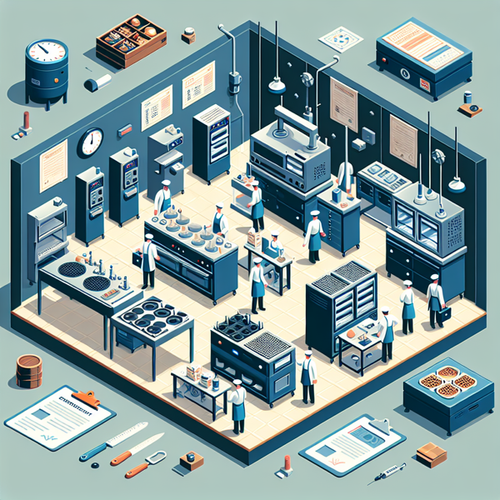
In an era where kitchens have become the heart of hospitality, entertainment, and home life, the standards governing cooking ranges, working tables, and ovens have never been more relevant. For businesses and organizations—ranging from restaurants and caterers to appliance manufacturers and regulatory inspectors—understanding and implementing modern kitchen standards is critical. This comprehensive guide covers four pivotal international standards, offering clear insights into their requirements for energy efficiency, safety, performance, and social responsibility. By embracing these guidelines, companies not only operate within legal frameworks but also increase productivity, secure their spaces, and scale operations smartly. Dive deep into the essentials of each standard and learn why compliance is now the gold standard for kitchen excellence.
Overview / Introduction
The entertainment and foodservice industry have seen a rapid evolution in how domestic and commercial kitchens operate. From energy use in gas stoves and electric ovens to the impact of clean cookstove solutions, standards ensure consistency, safety, and social well-being. Cooking ranges, working tables, and ovens are fundamental fixtures in professional and home kitchens alike. Today, leading standards dictate everything from measuring oven efficiency to safeguarding consumer health around household electrical appliances.
Why do these standards matter?
Ensure safety and reduce risks (burns, accidents, and emissions)
Standardize performance and efficiency across products and regions
Support sustainability and rational energy use, meeting global climate and health objectives
Facilitate market access and transparency for manufacturers and service providers
Improve social outcomes, including better working conditions and equitable access
This article provides a clear, accessible overview for readers—from industry professionals to the everyday consumer—highlighting best practices, implementation, and real-world benefits of aligning with high-impact cooking appliance standards.
Detailed Standards Coverage
EN 30-2-1:2024 - Rational Use of Energy for Gas Cooking Appliances
Domestic cooking appliances burning gas - Part 2-1: Rational use of energy - General
Efficient energy use in gas-powered domestic cooking appliances is increasingly important for both environmental sustainability and operating costs. EN 30-2-1:2024defines the requirements and test methods for evaluating energy use in household gas cooking devices, including stoves, hobs, and ovens.
The standard specifies:
Minimum energy efficiency levels for gas burners (uncovered and covered)
Performance measurement for gas hobs and ovens, focusing on how well they convert fuel to useful heat
Testing conditions and apparatus for reliably assessing appliance performance
Calculation methods and formulas for determining energy consumption parameters, including maintenance heat input for ovens
Targeted at manufacturers, regulators, and certification bodies, EN 30-2-1:2024ensures that appliances on the market meet clearly defined efficiency standards. This not only supports businesses in meeting energy labeling requirements across Europe but also helps reduce operating costs and minimize the environmental footprint of cooking operations.
Practical implications:
Appliances must achieve minimum efficiency thresholds (e.g., uncovered burners at least 52% efficiency)
Ovens must not exceed specific maintenance heat input values, ensuring they maintain temperature efficiently
Standardized testing supports fair market comparison and product innovation
Key highlights:
Aligns energy use with EU regulatory requirements
Drives technological innovation toward higher efficiency
Supports consumers and businesses in reducing energy expenses
Access the full standard: View EN 30-2-1:2024 on iTeh Standards
ISO/TR 19915:2023 - Social Impact Assessment in Clean Cooking Solutions
Clean cookstoves and clean cooking solutions — Guidelines for social impact assessment
With global attention on the societal and environmental impact of cooking solutions, ISO/TR 19915:2023 provides an essential framework for assessing how improved cooking systems affect users and communities. This guideline targets not only manufacturers, but also NGOs, researchers, and decision-makers involved in cooking energy programs.
The document offers:
Orientation for stakeholders in the cooking sector on evaluating projects and policies
Detailed methodologies for measuring gender, health, socio-economic, and environmental impacts
Tools for both direct and indirect impact assessment, including metrics for exposure to smoke, time use, employment, and well-being
Guidance on constructing results chains that link interventions to observed outcomes
This standard reinforces the perspective that clean and improved cookstove solutions are as much about social transformation as technology. By embracing these guidelines, businesses and organizations can ensure that interventions are equitable, effective, and deliver sustainable benefits.
Practical implications:
Incorporate social impact metrics into program design and evaluation
Ensure that products and projects improve health, safety, and livelihoods
Provide evidence for funding and policy advocacy
Key highlights:
Comprehensive coverage of gender, health, and economic impacts
Flexible, adaptable tools for local contexts
Supports evidence-based decision making and sustainable development
Access the full standard: View ISO/TR 19915:2023 on iTeh Standards
SIST EN 50304:2009 - Measuring Performance of Electric Cooking Ranges, Hobs, Ovens, and Grills
Electric cooking ranges, hobs, ovens and grills for household use - Methods for measuring performance
Understanding the real-world performance of kitchen appliances is central to consumer trust, product improvement, and regulatory compliance. SIST EN 50304:2009 sets down standardized test methods for determining how well electric cooking ranges, hobs, ovens, and grills perform in household use.
What does this standard cover?
Measurement methods for appliance dimensions, mass, and usage characteristics
Procedures for testing hotplates, cooking zones, ovens, grills, and warming compartments
Evaluations of energy consumption, heating time, heat distribution, and cleaning functionalities
Guidelines for comparative performance testing — not for regulatory compliance, but for fair market assessment
Though it excludes microwave ovens and certain small or portable appliances, SIST EN 50304:2009 is integral for:
Manufacturers aiming for accurate product labeling
Consumer protection agencies comparing different devices
Retailers and service providers seeking to match customer expectations with real appliance results
Key highlights:
Enables standardized energy labeling
Facilitates product comparison for buyers and regulators
Promotes innovation in functional and energy-efficient designs
Access the full standard: View SIST EN 50304:2009 on iTeh Standards
SIST EN 60335-2-25:2003/A2:2007 - Safety for Microwave Ovens
Household and similar electrical appliances - Safety – Part 2-25: Particular requirements for microwave ovens, including combination microwave ovens
Safety is paramount in the kitchen, particularly with devices such as microwave ovens that use powerful electromagnetic energy. SIST EN 60335-2-25:2003/A2:2007 lays out the safety requirements for household microwave ovens and combination microwave devices, covering everything from construction to in-use protection mechanisms.
Key requirements include:
Protection against electric shock, fire, and harmful microwave radiation
Safe operation at rated voltages up to 250V for household use
Design requirements preventing accidental exposure or injury, especially for children and vulnerable users
Comprehensive guidance for both standalone and combination (multifunction) microwave appliances
Though the standard primarily targets manufacturers and testing authorities, it also provides confidence to consumers, retailers, and service personnel that products on the market meet rigorous safety benchmarks.
Key highlights:
Minimizes the risk of burns, accidents, and electrical hazards
Ensures robust safety features for a broad user base
Promotes continual product safety improvement in a competitive market
Access the full standard: View SIST EN 60335-2-25:2003/A2:2007 on iTeh Standards
Industry Impact & Compliance
The adoption of robust international standards in kitchens—commercial and domestic alike—carries undeniable benefits:
Enhanced Safety: Reduces the risk of accidents, injuries, and property damage by enforcing tested design and use protocols.
Operational Efficiency: Standardized measurement and energy use guidelines translate directly into cost savings, less downtime, and smoother workflow management.
Market Access: Compliant products can be sold across multiple regions and countries, avoiding costly legal challenges and import/export barriers.
Competitive Differentiation: Certification and compliance can serve as a strong differentiator in an increasingly quality-conscious market.
Reputational Assurance: Following established standards demonstrates commitment to customer safety and satisfaction, raising trust and brand value.
Risks of non-compliance include:
Legal liabilities and potential prohibition from key markets
Reputational damage due to accidents, recalls, or reports of unsafe or underperforming products
Loss of competitive standing and market share
For entertainment and hospitality venues, robust compliance is both a shield and a growth lever.
Implementation Guidance
Adopting international standards for cooking appliances involves collaborative planning and clear commitment at all organizational levels. Here are key best practices for successful implementation:
Gap Analysis: Assess your current equipment, documentation, and practices against the requirements of relevant standards.
Staff Training: Educate kitchen operators, maintenance teams, and management about the importance and application of standards.
Vendor Alignment: Where possible, purchase equipment from certified manufacturers and request conformity assessment documentation.
Ongoing Monitoring: Perform regular audits to ensure appliances continue to operate within standard parameters (e.g., safety checks, energy use monitoring).
Recordkeeping: Maintain thorough records of inspections, maintenance, and staff training for internal tracking and external verification.
Continuous Improvement: Monitor updates to standards and emerging best practices, integrating changes into operations for ongoing compliance and optimization.
Resources for organizations:
Accredited bodies offering conformity assessment and training
Standards publishers (such as iTeh Standards for the latest documents and guidance)
Industry associations and government agencies
Conclusion / Next Steps
Efficient, safe, and socially responsible kitchen environments are no longer optional—they’re a necessity for business success in hospitality, entertainment, and domestic settings. By implementing standards like EN 30-2-1:2024, ISO/TR 19915:2023, SIST EN 50304:2009, and SIST EN 60335-2-25:2003/A2:2007, organizations can:
Achieve higher productivity and operational cost savings
Protect staff, customers, and property from avoidable harm
Scale innovation and market reach with greater confidence
Demonstrate leadership in quality, safety, and social responsibility
Next steps for organizations:
Review appliance and kitchen infrastructure for compliance gaps
Access the newest versions of key standards
Stay updated with guidance from trusted sources such as iTeh Standards
Train staff and engage in regular compliance checks
Empower your kitchen and organization to deliver the highest levels of safety, performance, and customer trust—today and into the future.


Comments