Railway Rolling Stock Standards: Ensuring Safety, Reliability, and Efficiency

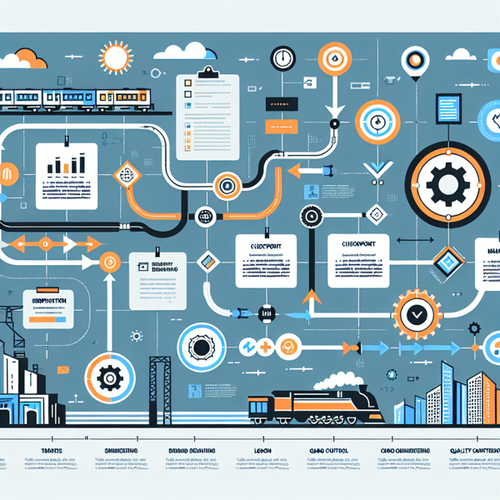
Railway rolling stock forms the backbone of modern rail transport—the trains, locomotives, and carriages that move millions of passengers and tonnes of cargo daily. Ensuring the safety, reliability, and efficiency of this rolling stock is non-negotiable for operators, passengers, and the businesses that depend on railways’ seamless function. Today, a new era of global railway engineering relies on robust standards to maintain high performance and safety levels. In this guide, we explore four landmark standards for railway rolling stock—touching on braking systems, interior glazing, electronic equipment, and cabling rules—demonstrating why they are indispensable in today’s rail industry and how their adoption can drive security, productivity, and rapid scaling.
Overview / Introduction
Railway engineering is a dynamic and multifaceted sector, where operational precision, passenger safety, and optimal resource utilization merge. At the heart of this sector are railway rolling stock standards: detailed rules and requirements shaping design, maintenance, interoperability, and everyday use of trains, passenger cars, and locomotives. As innovation surges—through smart trains, digitized control systems, and sustainable operations—adhering to the latest railway rolling stock standards has never been more critical.
Why do standards matter?
They provide a foundation for functional and technical interoperability across trains and networks, enabling globalization and open markets.
They build a culture of safety, reducing accident risks and minimizing operational disruptions in an industry where any failure can have severe consequences.
They foster innovation and future-proofing by accommodating new technologies (from advanced electronics to materials science) in a harmonized way.
They are increasingly required for regulatory compliance, financing, and customer confidence—key to scaling a railway business in a competitive, international market.
In this article, you’ll discover:
Core details and implications of four authoritative standards: EN 14198:2026 (Braking), EN 17530:2022 (Interior Glazing), EN 50155:2021 (Electronic Equipment), and EN 50343:2024 (Cabling).
How these standards fit into the real world for railway operators, manufacturers, and service providers.
Best practices for implementation and the far-reaching benefits—productivity gains, enhanced safety, and sustainable scaling.
Detailed Standards Coverage
EN 14198:2026 – Braking Requirements for Trains Hauled by Locomotives
Railway applications – Braking – Requirements for the brake system of trains hauled by locomotives
EN 14198:2026 is the definitive European standard for the braking systems of trains hauled by locomotives. It covers both general operation (where vehicles of differing origins may be coupled together) and fixed formation trainsets. The standard ensures compatibility, reliability, and enhanced safety by specifying comprehensive braking requirements, addressing both traditional air-brake systems and contemporary innovations like dynamic and electronically controlled brakes.
What does this standard cover?
Fundamental requirements for the design, integration, and management of train brake systems.
Specifications for both pneumatic (air) brake systems and auxiliary brake technologies (such as dynamic brakes and adhesion-independent brakes).
Mandates compatibility for international operations, referencing the UIC (International Union of Railways) brake architecture for interoperability across European equipment fleets.
Addresses electrical/electronic controls, wheel slide protection, brake blending, and degraded-mode operation.
Considers environmental, fire, and operational safety requirements—ensuring the whole braking system is resilient under varied operational conditions.
Who needs to comply?
Train manufacturers
Locomotive operators (passenger and freight)
Maintenance and engineering professionals responsible for train formation and brake system integration
Practical implications:
Ensures any train formed by various carriage types or origins can brake safely and consistently.
Provides a harmonized approach that aligns with EU directives and supports legal compliance.
Offers a framework for innovation, supporting electric and advanced dynamic braking systems.
Key highlights:
Technical compatibility for international operations
Proven safety metrics—design, fire, and environmental resilience
Dynamic brake and electronic integration guidelines
Access the full standard: View EN 14198:2026 on iTeh Standards
EN 17530:2022 – Interior Glazing for Rail Vehicles
Railway applications – Interior glazing for rail vehicles
EN 17530:2022 sets out the performance, functional, and quality criteria for all glass-based interior glazing elements in rail vehicles. Its precise provisions span materials selection, mechanical properties, optical clarity, safety, and test procedures—helping ensure that all partitions, screens, doors, and display covers inside passenger and operator spaces meet strict standards for safety and quality.
Scope and requirements:
Applies to all rail vehicles with glass-based interior glazing (excluding surfaces under 0.02 m² and device casings such as emergency hammers).
Defines test methods for type testing (impact, ageing, fragmentation) and routine production inspection (visual and mechanical quality).
Outlines strict marking and traceability rules for all approved glass.
Prioritizes safety in terms of fire resistance, strength under operational loads, optical quality, and minimal visual distortion.
Flexibly allows certain requirements (e.g., for mirrors, specific glass types, or installation edge finishes) to be defined by the vehicle builder’s technical specifications or national rules.
Target audience:
Train interior designers/risk engineers
Rolling stock manufacturers
Operators overseeing safe passenger environments
Practical implications:
Minimizes injury risk in case of breakage while ensuring consistent visibility and aesthetics.
Specifies rigorous type and routine tests, minimizing long-term maintenance costs.
Supports fire and safety compliance, especially for public-facing rail vehicles.
Key highlights:
Comprehensive test and inspection routines
Mandatory fire protection (in sync with EN 45545)
Uniform quality and traceability, allowing efficient scaling
Access the full standard: View EN 17530:2022 on iTeh Standards
EN 50155:2021 – Rolling Stock Electronic Equipment
Railway applications – Rolling stock – Electronic equipment
EN 50155:2021 is the world-leading specification for all electronic equipment installed on railway rolling stock. With everything from train control modules to passenger information systems and power electronics, the standard sets clear rules for design, testing, installation, and documentation to ensure robust operation in the demanding rail environment.
Coverage and requirements:
Applies to all on-board electronic and programmable equipment in locomotives, trainsets, coaches, and more.
Defines equipment reliability, maintainability, and service lifetime mandates.
Specifies operating conditions: temperature, vibration, electromagnetic compatibility (EMC), power supply tolerances, and fire behavior.
Includes detailed requirements for documentation, testing, and system integration.
Harmonizes with European rail directives and supports the integration of new technologies safely (e.g., IoT sensors, control electronics).
Who is affected?
Railway vehicle and subsystem manufacturers
Electrical and software engineers
Operators responsible for train safety and uptime
Business/practical implications:
Helps reduce costly electronics failures and unscheduled downtimes.
Eases product certification for cross-European sales and interoperability.
Enables confident technology upgrading without compromising overall rolling stock safety or reliability.
Key highlights:
Full electronic lifecycle coverage: design, production, integration, and maintenance
Strict EMC, temperature, shock, and vibration controls
Ready for digital rail transformation—safe integration of the latest hardware/software
Access the full standard: View EN 50155:2021 on iTeh Standards
EN 50343:2024 – Rules for Installation of Cabling in Rolling Stock
Railway applications – Rolling stock – Rules for installation of cabling
EN 50343:2024 is the latest cabling standard for all types of rail vehicles—including trains, trolley buses, and magnetic levitation vehicles. It is designed to ensure safe, reliable electrical installations, covering everything from cable selection and installation to labeling, fire safety, and long-term maintenance.
Standard highlights:
Comprehensive technical requirements for installing cables, busbars, terminals, and plug/socket systems onboard rolling stock.
Mandates on material selection (primarily copper), sizing (including for short-term currents), bundling, separation for EMC/safety, and fixing methods.
Details fire behavior, marking, and electrical termination requirements—ensuring installations meet robust safety standards.
Integrates emerging best practices for inspection, repair provisions, spares, and adapting cabling to future upgrades.
References and aligns with key related standards, including EN 45545 (fire protection) and EN 50264/EN 50306 (special performance cables).
Who should comply?
Rolling stock assemblers and manufacturers
Rail vehicle maintenance/service teams
Electrical and control system integrators
Key business and operational outcomes:
Delivers consistent, safe power and data connectivity under harsh environmental conditions.
Mitigates fire risk and electronic interference across the entire vehicle fleet.
Future-proofs rolling stock for new digital or hybrid technologies.
Key highlights:
In-depth cable installation and troubleshooting requirements
Unified approach to fire, EMC, and operational safety in cabling
Supports safe scaling and rapid deployment of new rail technologies
Access the full standard: View EN 50343:2024 on iTeh Standards
Industry Impact & Compliance
Across Europe and globally, adopting leading railway rolling stock standards delivers more than just regulatory compliance. These frameworks:
Reduce safety incidents: By specifying exacting requirements for critical systems—brakes, electronics, cabling, glazing—these standards directly address top safety risks.
Enhance asset utilization: Standardization and interoperability ensure rolling stock can be flexibly formed and efficiently maintained, maximizing use and return on investment.
Lower running costs: By reducing equipment failures, downtimes, and costly repairs, quality standards enable predictable operations and budgeting.
Accelerate scaling and market access: Standard compliance unlocks entry to international tenders, multi-country operations, and partnerships across the supply chain.
Support innovation: Standards are updated regularly to accommodate new technologies (from digital train control to high-performance materials), allowing operators to scale and modernize safely.
Compliance considerations
Legal and regulatory: For operators in the European Union, EN standards are often linked with statutory requirements (such as the European Railway Agency’s technical specifications for interoperability, TSIs).
Procurement and certification: Adhering to recognized standards is often required as part of procurement processes and can ease the certification burden for rolling stock operators and manufacturers.
Insurance and liability: Demonstrable compliance can improve insurance terms and limit operational liability in case of incidents.
Risks of non-compliance:
Legal penalties, withdrawal from service, or exclusion from tenders
Increased incident rates, damaging brand reputation and public trust
Higher operational and maintenance costs due to avoidable failures or inefficiencies
Implementation Guidance
Successfully implementing railway engineering standards requires a structured approach and organizational buy-in at all levels. Here are practical steps to streamline adoption:
Gap analysis: Assess your existing rolling stock and processes against updated standard requirements. Use detailed checklists for systems like brakes, electronics, glazing, and cabling.
Stakeholder engagement: Involve all key teams—engineering, safety, operations, procurement, and quality assurance—from the outset.
Integrated design and documentation: Ensure that all new rolling stock and refurbishments are designed with full standard compliance. Maintain accurate, up-to-date documentation as mandated, especially for traceability.
Testing and verification: Leverage the test routines and inspection protocols detailed in each standard, from simulated fire resistance (EN 17530) to shock/vibration resistance (EN 50155).
Ongoing training and monitoring: Invest in ongoing staff education about updates to standards and emerging best practices. Create monitoring systems to catch deviations early.
Best practices:
Source compliant components and systems from reputable vendors
Integrate standard compliance into supplier and contract management
Use digital tools for real-time monitoring of rolling stock condition against standard KPIs
Schedule periodic reviews and internal audits to catch compliance gaps early
Resources for organizations:
Full-text standards available via iTeh Standards (standards.iteh.ai)
Specialist consultants in railway safety and standards
Sector-specific training providers for engineering and maintenance teams
Conclusion / Next Steps
The railway industry’s transformation hinges on uncompromising standards—ensuring every train, carriage, and component is safe, robust, and ready for the future. The four core standards explored here—EN 14198:2026 (Brakes), EN 17530:2022 (Interior Glazing), EN 50155:2021 (Electronics), and EN 50343:2024 (Cabling)—provide the structure needed to:
Safeguard passengers and goods
Streamline operations
Unlock efficient scaling and innovation
Key takeaways:
Adhering to these standards is the most reliable way to boost productivity, minimize risk, and lead in a competitive market
Regularly revisiting and updating compliance strategies can help you capitalize on new opportunities, cut costs, and deliver superior service
With the evolution of digital railways and growing internationalization, these standards—and their timely updates—will only increase in importance
Ready for the next step? Explore the full text of each standard, integrate them into your operations, and turn compliance into a powerful driver of business security, performance, and growth.


Didn’t expect much from this game when I installed it, but I still kept it on my phone. The first few minutes were confusing and I didn’t enjoy it. Later it became easier to follow. Now I play it sometimes when I have nothing else to do. It works fine without any issues. I don’t use it daily. It’s not something great, but still okay for light playing and simple time pass overall.
Jai Club login